
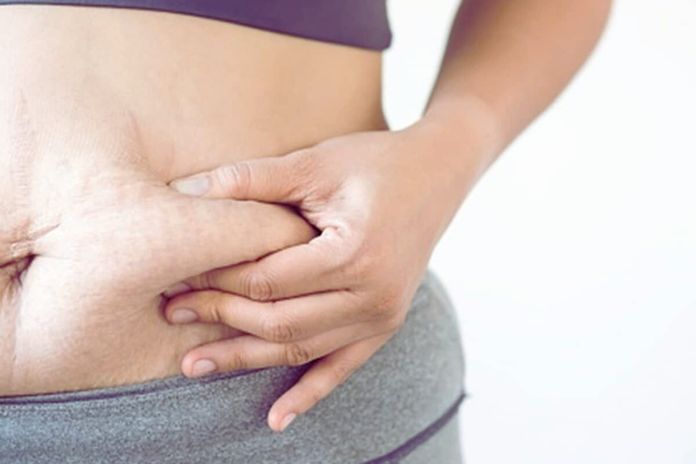
Fat Cells: Discovering The Biology And Physiology Of Adipocytes These research studies report a higher populace of small adipocytes (a step of hyperplasia) in the AT of people with insulin resistance and T2D (403-- 406) and in those with even more natural AT and liver fat (406,407). Experimental overfeeding intervention researches have actually shown that people with smaller adipocytes at baseline have poorer metabolic health and wellness results (i.e. damaged insulin level of sensitivity) in reaction to considerable weight gain than those with bigger adipocytes (408,409). Additionally, one in vivo analysis in people showed that boosted hyperplastic development correlated with a boosted variety of metabolic disorder components (410 ). This failure to keep excess lipid in AT is believed to be an essential function that results in metabolic disorder. The notion that we are born with all the fat cells we will ever have actually is now taken into consideration antiquated and unreliable.
Why do Japanese beverage water in the morning?
Rodent Versus Human Adipose Depots
Enhanced AT DNL can produce favorable lipid varieties that might be therapeutically helpful in the context of excessive weight and insulin resistance (48 ). Adipocytes manufacture and secrete a novel household of bioactive lipids, known as the branched fat esters of hydroxyl fatty acids (FAHFAs). Although FAHFAs are found in several cells, the highest levels are in white and brownish AT, and their manufacturing is likely dependent on AT lipogenesis as disruption of adipocyte DNL impairs their synthesis (39,49). Given that lots of AT cell types produce ECM elements, studies to identify the particular contributions of adipocyte-derived ECM components to typical AT function along with disorder will certainly be needed. The ordinary weight of an adult fat cell is about 0.6 micrograms, however they can differ in size from 0.2 micrograms to 0.9 micrograms. Along with potentially having an extreme number of fat cells, an obese individual's fat cells can be approximately three times larger than a specific with an extra perfect body structure. This leads us to take into consideration the characteristics of a fairly healthy guy trying to shed 10 pounds versus a drastically obese man attempting to lose extra pounds.
Subscribe To Cleveland Clinic Health Basics
While lipolysis can be promoted in rodents and human beings under similar physiological problems, essential biological distinctions in AT lipolysis among these varieties have actually been recommended. The β1 and β2 adrenergic receptors (AR) are ubiquitously expressed in rodents and people, while β3-AR expression is restricted to white AT in rats and only partially shared in human adipocytes (359 ). The α2-ARs are very expressed in the subcutaneous AT of people and act to prevent lipolysis (360 ), but are missing in rodent adipocytes. Though typical aspects, consisting of catecholamines, development hormonal agent, and cortisol, are comparable among types in regulating lipolysis, differences in the action to other lipolytic representatives have also been reported.
- The ECM has clear functions in the typical growth and feature of adipocytes, however over can likewise play roles in obesity development and metabolic dysfunction.
- These paradigm-shifting monitorings demonstrated that extracellular blisters (EV) from endothelial cells in adipose tissue can offer lipids and proteins to adjacent adipocytes.
- Hypertrophy of adipose cells is the primary factor to fat pad mass rise, whereas hyperplasia does not contribute much to this boost due to the fact that it occurs in small cells that have a much smaller quantity of fat kept.
- This is an important event, as mouse designs lacking fully grown adipocytes can not hire the fibroblasts required for injury healing (369-- 371).
- Gupta's research determined a procedure that stops progenitor cells from becoming fat cells in mouse subcutaneous inguinal fat.
" Nonetheless, in obesity, the body comes to be immune to leptin, causing raised cravings and over-eating." Existing literature suggests that the secretion patterns of adipokines (including leptin, interleukin-6, and tumor necrosis aspect α) in the visceral versus subcutaneous depots of people are fairly similar to that of rodents. Interestingly, lower body AT has been revealed to produce even more metabolically positive adipokines such as adiponectin (358 ). The AT extracellular matrix (ECM) is essential for regular cells feature but can additionally add to its dysfunction. In obesity, buildup of ECM parts can limit AT development, advertise swelling by hiring immune cells, and harm adipogenesis. Solid lines stand for the stabilized cell-size circulations representing the given epididymal fat pad mass, anticipated by the fat growth model. Participants of the
Electrical muscle stimulation for body shaping early B-cell factor (EBF) family of
Check over here transcription aspects are defined for their capacity to modulate islet beta-cell growth and neural development. 3 primary participants of this family members (EBFs 1, 2, and 3) are shared in fat cells. EBFs 1 and 2 can advertise adipogenesis (228,229), and EBF2 can additionally play roles in identifying brownish versus white adipocyte identification in vivo (230) and the beiging process of adipose tissue in computer mice (231 ). Besides adipocytes, AT is included endothelial cells, blood cells, fibroblasts, pericytes, preadipocytes, macrophages, and a number of types of immune cells (189 ). These non-adipocyte cell types are frequently referred to as the AT stromal vascular fraction (SVF) (Number 8). Nonetheless, human beings do not have an AT depot comparable to the rodent perigonadal fat pads. In addition, the omental depot is plainly defined in humans, yet in mice it is difficult to identify. In general, striking physiological distinctions in AT distribution exist in between rodents and human beings, and these distinctions must be thought about when translating rodent researches and possibly translating these monitorings to people. We aimed to clarify the impact of fat cell size and inflammatory status of fat on the development of kind 2 diabetes mellitus in non-obese individuals.